


Roof Replacement is a significant investment that can have a lasting impact on your home’s value, energy efficiency, and overall appearance.
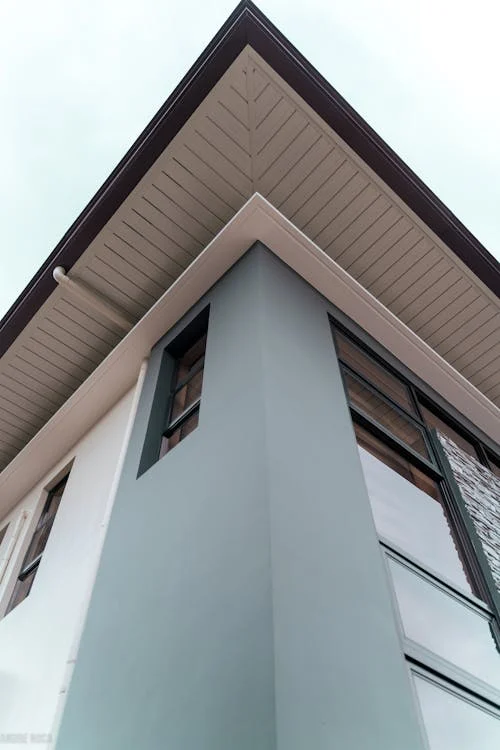
With numerous roofing materials available, it can be challenging to determine which one is best suited for your needs. Here’s an in-depth guide to choosing the right roofing material, complete with a detailed conclusion and frequently asked questions.
1. Understanding Roofing Material Options
There are several types of roofing materials, each with its own set of advantages and disadvantages. Understanding these options can help you make an informed decision.
Common Roofing Materials:
Asphalt Shingles: Popular and affordable, available in various styles and colors. Ideal for a wide range of climates.
Metal Roofing: Durable and energy-efficient, often made from aluminum or steel. Suitable for areas with extreme weather conditions.
Clay and Concrete Tiles: Known for their longevity and aesthetic appeal, perfect for Mediterranean or Spanish-style homes.
Wood Shakes and Shingles: Provide a natural and rustic look, best for dry climates.
Slate: Extremely durable and long-lasting, offering a classic and elegant appearance.
Synthetic Roofing Materials: Made from plastic, rubber, or composite materials, designed to mimic natural products.
Pros:
Variety: Multiple options to suit different styles and budgets.
Customization: Available in various colors and designs.
Durability: Some materials offer extended lifespans and added protection.
Cons:
Cost Variability: Prices can vary significantly between materials.
Installation: Some materials require specialized installation techniques.
Maintenance: Different materials have different maintenance requirements.
2. Factors to Consider When Choosing Roofing Materials
Choosing the right roofing material involves considering several key factors, including climate, budget, and aesthetics.
Key Considerations:
Climate: Ensure the material can withstand local weather conditions, such as heavy rain, snow, or high winds.
Budget: Consider both the initial cost and long-term maintenance expenses.
Aesthetics: Choose a material that complements your home’s architectural style.
Durability: Look for materials that offer longevity and require minimal maintenance.
Energy Efficiency: Opt for materials that provide better insulation and reduce energy costs.
Environmental Impact: Consider eco-friendly options that are recyclable or made from sustainable materials.
Pros:
Informed Decision: Helps you select a material that meets your specific needs.
Cost Savings: Balances initial costs with long-term benefits.
Aesthetic Appeal: Ensures your roof enhances your home’s curb appeal.
Cons:
Complexity: Requires careful consideration of multiple factors.
Availability: Some materials may not be readily available in certain regions.
3. Comparing Roofing Materials
Comparing the features, benefits, and drawbacks of different roofing materials can help you make an informed choice.
Asphalt Shingles:
Pros: Affordable, easy to install, variety of styles and colors.
Cons: Shorter lifespan compared to other materials, may require more maintenance.
Metal Roofing:
Pros: Durable, energy-efficient, low maintenance.
Cons: Higher initial cost, can be noisy during rain or hail.
Clay and Concrete Tiles:
Pros: Long-lasting, fire-resistant, aesthetically pleasing.
Cons: Heavy, requires reinforced roof structure, higher cost.
Wood Shakes and Shingles:
Pros: Natural and rustic appearance, good insulation.
Cons: Prone to fire and insect damage, requires regular maintenance.
Slate:
Pros: Extremely durable, elegant appearance, low maintenance.
Cons: Very heavy, high cost, requires specialized installation.
Synthetic Roofing Materials:
Pros: Lightweight, mimics natural materials, lower cost.
Cons: May not have the same durability as natural products, limited lifespan.
4. Hiring a Professional Roofer
Choosing the right roofing material is just the first step. Hiring a professional roofer ensures that your new roof is installed correctly and safely.
Tips for Hiring:
Research: Look for reputable roofing contractors with positive reviews and references.
Experience: Choose a roofer with experience in installing the specific material you’ve selected.
Licensing and Insurance: Ensure the contractor is licensed and insured for your protection.
Written Estimates: Obtain detailed written estimates that outline the scope of work and costs.
Warranty: Ask about warranties on both materials and workmanship.
Pros:
Quality Work: Professional installation ensures a longer-lasting roof.
Safety: Protects you and your property during the installation process.
Peace of Mind: Confidence in knowing the job is done right.
Cons:
Cost: Professional installation adds to the overall expense.
Time: Scheduling and completing the installation can take time.
Conclusion
Replacing your roof is a significant investment, but choosing the right material and hiring a professional roofer can ensure a successful and long-lasting result. By considering factors such as climate, budget, aesthetics, and durability, you can select a roofing material that meets your needs and enhances your home’s appearance. Comparing the pros and cons of different materials, as well as researching and hiring a reputable roofer, will help you make an informed decision and achieve the best possible outcome.
FAQs
1. How long does it take to replace a roof?
The duration of a roof replacement depends on factors such as the size of the roof, the type of material being installed, and weather conditions. On average, it can take anywhere from a few days to a week.
2. What is the average cost of a roof replacement?
The cost of a roof replacement varies based on the material, the size of the roof, and labor costs in your area. On average, homeowners can expect to pay between $5,000 and $15,000.
3. How do I know if I need a new roof or just a repair?
Signs that you may need a new roof include extensive shingle damage, frequent leaks, sagging, and an aging roof. A professional roofer can assess the condition and recommend whether repair or replacement is necessary.
4. Are there any eco-friendly roofing options?
Yes, eco-friendly roofing options include materials like metal, which is recyclable, and shingles made from recycled materials. Solar roofing tiles are also an environmentally friendly option that can generate renewable energy.
5. What should I do to maintain my new roof?
Regular maintenance includes cleaning gutters, inspecting for damage, trimming overhanging branches, and addressing any issues promptly. Scheduling regular roof inspections with a professional can help prolong the life of your roof.